Fresh Air Filter Replacement and Care Guide
Understanding
Indoor Air Quality and the Need for Effective Filter Replacement
.jpg)
People spend more time indoors than ever before. Dust, allergens, smoke, and
airborne particles can slowly build up inside enclosed spaces. Because of this,
air filtration systems are now commonly used in houses, offices, and small
commercial spaces.
One important
component in these systems is the Replacement filter for Fresh Air systems. A properly maintained
filter can help improve airflow while reducing unwanted particles in indoor
environments. Many users, however, are unfamiliar with how replacement filters
work or why regular maintenance matters.
Air filtration systems
are designed to trap contaminants before they circulate throughout a room. Over
time, filters collect dust, debris, and microscopic pollutants. When the filter
becomes overloaded, airflow efficiency may decrease. This can affect overall
indoor comfort and system performance.
Why Filter Maintenance Matters
Filters play a direct
role in maintaining cleaner air circulation.
Without routine replacement, accumulated particles may reduce filtration
effectiveness. In some cases, clogged filters can also place additional strain
on ventilation systems.
Modern households
often deal with multiple indoor air concerns, including:
- Dust accumulation from furniture and fabrics
- Pet dander in enclosed rooms
- Cooking smoke and odors
- Seasonal pollen entering through windows
- Fine airborne particles from outdoor pollution
A clean filtration
system helps reduce these unwanted particles.
Regular maintenance also supports consistent airflow across indoor spaces.
Growing Attention on Indoor Air Quality
Indoor air quality has
become a growing public discussion.
Many people are now paying closer attention to air purification technology,
especially in urban environments. Increased awareness about airborne particles
and household allergens has contributed to higher demand for replacement
components and filtration accessories.
Hot Topic: Smart Homes and Air Monitoring
Smart home systems are
changing how people monitor indoor environments.
Many modern air systems now include sensors that detect airflow changes or
filter conditions. Some systems can even notify users when replacement is
recommended.
This shift has
encouraged more homeowners to understand the importance of proper filter care instead
of waiting for visible performance issues.
Understanding Different Filter Components
Air purification
systems may contain several internal parts.
Each component serves a different purpose within the filtration process.
One commonly discussed
product category includes the Fresh Air Surround Replacement filter for Flair
systems. These filters are often used in air circulation setups where
continuous airflow and filtration are necessary for indoor comfort.
Another important
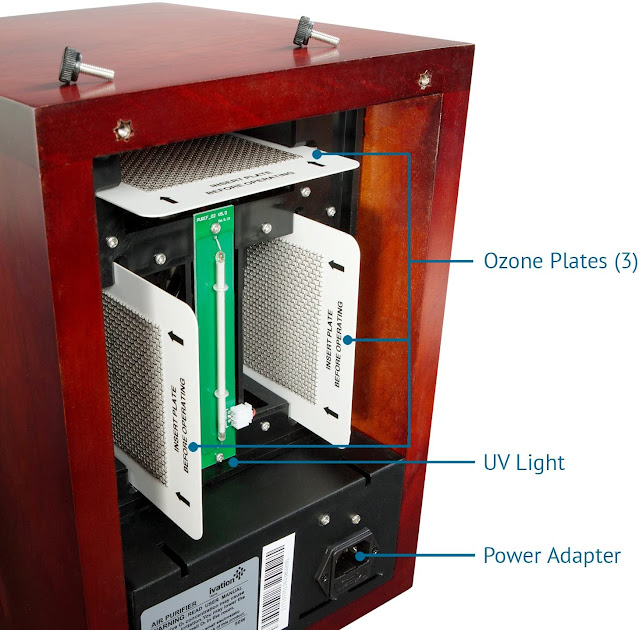
component is the ozone plate for Fresh Air Box systems. Ozone plates are
designed differently from standard filters because they assist in specific
purification processes used in certain air treatment setups. Understanding the
difference between filters and ozone-related components helps users choose the
right replacement parts for their systems.
Signs That a Filter May Need Replacement
Many users wait until
airflow noticeably changes before checking their filter.
However, filters often lose efficiency gradually over time.
Common signs may
include:
- Reduced airflow from vents
- Increased dust around indoor surfaces
- Persistent indoor odors
- Higher noise from the air system
- Visible dirt buildup on the filter surface
These signs may
indicate that maintenance should be considered.
Routine inspection can help prevent long-term airflow restrictions.
How Replacement Schedules Can Differ
Not every filter
follows the same replacement timeline.
Usage patterns, room size, and environmental conditions all influence filter
lifespan.
Homes with pets may require
more frequent replacement.
Areas with higher outdoor pollution may also affect filter performance more
quickly.
Some users replace
filters every few months, while others follow manufacturer-recommended
schedules. Environmental conditions usually play a larger role than fixed
timelines alone.
Choosing Compatible Replacement Components
Compatibility is
important when selecting replacement parts.
Incorrect sizing or mismatched specifications can affect airflow and filtration
quality.
When searching for a
Replacement filter for Fresh Air Surround systems, users should review:
- Filter dimensions
- Material specifications
- Airflow compatibility
- Installation requirements
- Recommended replacement intervals
Understanding these
details helps reduce installation problems and supports more consistent system
operation.
Common Filter Materials Used Today
Modern filtration
products use different materials depending on system requirements.
Some are designed primarily for dust capture, while others focus on finer
airborne particles.
Common materials may
include:
- Fiberglass layers
- Pleated synthetic fibers
- Carbon-based filtration material
- Washable mesh structures
Carbon-based materials
are often associated with odor reduction.
Pleated filters are commonly used to increase surface area for particle
capture.
Each material type
performs differently depending on indoor conditions and airflow requirements.
Air Filters and Energy Efficiency
Dirty filters can
affect more than air quality alone.
Restricted airflow may cause systems to work harder than necessary.
This additional strain
can increase energy consumption over time.
Proper maintenance may help support smoother airflow and reduce unnecessary
workload on ventilation systems.
Energy efficiency
discussions have become increasingly relevant as households look for ways to
manage electricity use more effectively.
Hot Topic: Eco-Friendly Filtration Trends
Sustainability has
become an important topic in the air filtration industry.
Some manufacturers now focus on recyclable materials and reusable filter
technologies.
Consumers are also
becoming more interested in reducing household waste.
This has encouraged discussions about long-lasting filter materials and
environmentally conscious maintenance practices.
Installation and Handling Tips
Filter installation is
generally straightforward, but proper handling still matters.
Incorrect placement may reduce filtration effectiveness.
Helpful practices
include:
- Checking airflow direction indicators
- Ensuring proper fit within the system
- Avoiding excessive bending during installation
- Keeping replacement filters stored in dry conditions
Careful handling helps
maintain filter structure and airflow performance.
Users should also
avoid using damaged filters.
Even small tears may reduce filtration consistency.
The Role of Ventilation in Indoor Spaces
Filtration systems
work best when combined with proper ventilation.
Air circulation helps reduce stagnant indoor conditions and supports more
balanced airflow throughout rooms.
Simple habits can also
contribute to healthier indoor environments:
- Opening windows periodically when outdoor conditions
allow
- Cleaning surfaces regularly
- Reducing indoor smoke exposure
- Maintaining HVAC systems routinely
Air quality
improvement is usually most effective when multiple maintenance habits work
together.
Understanding Long-Term Maintenance
Many homeowners focus
only on visible cleanliness.
However, air systems often require ongoing internal maintenance that is less
noticeable.
Regular inspection of
filters, vents, and purification components can help identify small issues
before they affect system performance. Preventive maintenance is often more
manageable than dealing with larger airflow problems later.
For systems using
specialized components like ozone plate for Fresh Air Box units,
following correct maintenance procedures becomes especially important. Users
should always ensure components are handled according to system guidelines.
Indoor air quality
continues to receive increasing attention worldwide.
As homes become more enclosed and technology-driven, effective filtration
systems remain an important part of maintaining comfortable indoor
environments.
Understanding
replacement schedules, compatible components, and airflow maintenance can help
users make more informed decisions about their filtration systems. Whether
using standard filters or specialized components, routine maintenance plays a
major role in long-term system performance and indoor comfort.

Comments
Post a Comment