Understanding Air Purification Needs at Home

Indoor air quality has become an essential consideration in modern living environments. Whether in residential or commercial spaces, the need for clean and breathable air continues to grow. Air purification systems are widely used to address this need, but their effectiveness depends largely on proper maintenance and timely replacement of key components. Among these, the Replacement filter for Fresh Air plays a central role in maintaining system performance and ensuring consistent airflow.
Air filters are designed to trap airborne particles such as dust, pollen, and other contaminants. Over time, these particles accumulate within the filter, reducing its ability to function efficiently. This gradual decline often goes unnoticed until the system begins to show signs of reduced performance. Therefore, understanding how these filters operate and when they should be replaced is critical for maintaining a healthy indoor environment.
The Function of Air Filters in Purification Systems
Air filters serve as the primary barrier between indoor air and contaminants. Their main function is to capture unwanted particles while allowing clean air to circulate freely. Systems that incorporate Fresh Air Surround technology are specifically designed to optimize airflow while enhancing filtration efficiency. These systems are commonly used in enclosed environments where natural ventilation may be limited.
As air passes through the filter, particles are trapped within its layers. Over time, this accumulation restricts airflow and reduces the system’s ability to purify the air effectively. In such cases, replacing the filter becomes necessary to restore optimal performance. A Replacement filter for Fresh Air Surround is specifically engineered to match the design and requirements of compatible systems, ensuring proper functionality and consistent results.
.jpg)
Importance of Timely Replacement
Timely replacement of filters is essential for maintaining both air quality and system efficiency. When filters are not replaced as needed, the system must work harder to circulate air, which can lead to increased energy consumption and potential wear on internal components. Additionally, clogged filters may allow certain particles to bypass the filtration process, reducing overall effectiveness.
In systems that utilize a Replacement filter for Flair, proper maintenance ensures that airflow remains stable and that contaminants are effectively captured. Delayed replacement not only compromises air quality but may also shorten the lifespan of the equipment. Regular inspection and adherence to recommended replacement schedules are therefore crucial.
Environmental factors such as dust levels, humidity, and the presence of pets can influence how quickly a filter becomes saturated. In areas with higher levels of airborne particles, more frequent replacement may be required. Conversely, in cleaner environments, filters may last longer but should still be checked periodically to ensure optimal performance.
Role of Supporting Components in Air Systems
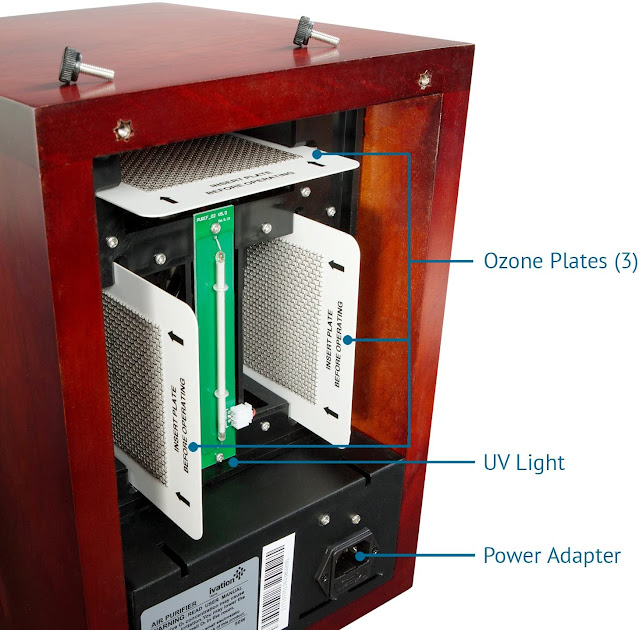
Air purification systems often include additional components that work alongside filters to improve overall performance. One such component is the ozone plate for Fresh Air Box, which is designed to assist in odor control and the neutralization of certain airborne substances. While it does not replace the need for filtration, it complements the system by addressing elements that filters alone may not fully manage.
The integration of filters and ozone plates creates a more comprehensive approach to air purification. Each component has a specific function, and their combined operation contributes to a more balanced and effective system. However, like filters, these supporting components also require periodic inspection and maintenance to ensure consistent performance.
Indicators That a Filter Requires Replacement
Recognizing the signs of a worn or clogged filter is an important aspect of system maintenance. Several indicators can suggest that a filter is no longer functioning effectively and should be replaced. These signs are often subtle at first but become more noticeable over time as the system’s performance declines.
- A noticeable reduction in airflow from the system
- The presence of persistent or unusual indoor odors
- Visible accumulation of dust around vents or surfaces
- Increased operational noise from the air system
A reduction in airflow typically indicates that the filter has become obstructed by accumulated particles, making it difficult for air to pass through. Persistent odors may suggest that the filter is no longer capable of effectively trapping odor-causing substances. Visible dust around vents can indicate that particles are bypassing the filter, while increased noise may result from the system working harder to push air through a clogged filter. Addressing these issues promptly by replacing the filter helps restore normal operation and maintain indoor air quality.
Selecting the Appropriate Replacement Filter
Choosing the correct replacement filter is essential for ensuring compatibility and optimal performance. Filters are designed to meet specific system requirements, and using an incompatible filter can lead to reduced efficiency or potential damage. A Replacement filter for Fresh Air Surround should always match the specifications of the system in which it is used.
In addition to compatibility, the quality and material of the filter should also be considered. Higher-quality filters often provide better filtration and may have a longer operational lifespan. However, even high-quality filters require regular replacement to maintain their effectiveness.
Understanding the differences between filter types can also aid in making an informed decision. Some filters are designed to capture larger particles, while others are more effective at trapping finer contaminants or neutralizing odors. Selecting the appropriate type depends on the specific needs of the environment in which the system operates.
Best Practices for Installation and Maintenance
Proper installation and maintenance practices are essential for maximizing the effectiveness of air filters. While the process of replacing a filter is generally straightforward, attention to detail can significantly impact the system’s performance.
- Ensure that the system is powered off before replacing the filter
- Remove the existing filter carefully to avoid releasing trapped particles
- Clean the filter housing or surrounding area before installation
- Install the new filter according to the indicated airflow direction
Turning off the system before replacement helps prevent potential damage and ensures user safety. Careful removal of the old filter minimizes the release of accumulated dust into the air. Cleaning the surrounding area ensures that no additional debris interferes with the new filter’s performance. Finally, correct installation, including proper alignment with airflow indicators, is critical for maintaining efficient operation.
Long-Term Benefits of Regular Filter Maintenance
Consistent maintenance of air filters provides several long-term benefits. These benefits extend beyond improved air quality and include enhanced system efficiency and longevity. A well-maintained system is less likely to experience mechanical issues and can operate more effectively over time.
Regular replacement of components such as the Replacement filter for Flair ensures that the system continues to function as intended. It also helps reduce the accumulation of contaminants within the system, which can otherwise lead to performance degradation.
Moreover, maintaining clean filters contributes to a more comfortable indoor environment by reducing the presence of airborne particles and odors. This is particularly important in spaces where air quality directly impacts daily activities and overall well-being.
Air purification systems play a vital role in maintaining indoor air quality, but their effectiveness depends on proper care and maintenance. Understanding the function of filters and supporting components allows users to make informed decisions and ensure consistent performance.
From selecting the appropriate Replacement filter for Fresh Air Surround to maintaining elements such as the ozone plate for Fresh Air Box, each step contributes to the overall efficiency of the system. Regular inspection, timely replacement, and adherence to recommended practices are essential for achieving the best results.

Comments
Post a Comment