Replacement Filter for Fresh Air Complete Guide

Clean indoor air contributes to a
healthier and more comfortable environment, whether at home or in the
workplace. Choosing the correct Replacement filter for Fresh Air is an
important part of maintaining an air purifier's efficiency. A properly
functioning filter helps remove common airborne particles while supporting
consistent airflow and dependable operation throughout the year.
Many people purchase an air purifier
but overlook one of the most important maintenance tasks—changing the filter at
the right time. As the filter collects dust, pollen, smoke particles, and other
airborne contaminants, its performance gradually decreases. Replacing it
regularly helps the purifier continue operating effectively while reducing
unnecessary stress on internal components.
Understanding
the Role of Air Purifier Filters
Air purifier filters are designed to
capture unwanted particles before clean air is circulated back into the room.
Depending on the purifier model, filters may remove dust, pet dander, pollen,
mold spores, and other microscopic particles that affect indoor air quality.
As contaminants build up inside the
filter, airflow becomes restricted. This makes the purifier work harder to
circulate air, which may reduce its overall performance over time. Regular
filter replacement helps maintain proper airflow and consistent purification.
Why
Regular Filter Maintenance Is Important
Routine maintenance is one of the
easiest ways to improve the long-term performance of an air purifier. Ignoring
replacement schedules may reduce filtration efficiency and shorten the lifespan
of certain internal components.
Following the recommended
maintenance interval allows the purifier to continue operating under normal
conditions. It also helps maintain cleaner indoor spaces by allowing the
filtration system to work as intended.
Signs
That a Filter Should Be Replaced
Most air purifiers provide
noticeable signs when a filter reaches the end of its useful life. Paying
attention to these indicators can help prevent reduced performance.
Some common signs include:
- Reduced airflow coming from the purifier.
- More dust collecting on furniture.
- Lingering indoor odors.
- Increased operating noise.
- Filter replacement reminder from the purifier.
- Visible dirt accumulation on the filter surface.
Replacing the filter before
performance declines significantly helps maintain cleaner air while reducing
unnecessary wear on the purifier.
Choosing
the Correct Replacement Filter
Selecting the right replacement
filter involves more than finding the correct size. Buyers should verify the
model number, filter specifications, installation method, and manufacturer
recommendations before purchasing.
Using compatible filters supports
proper airflow and helps the purifier operate according to its original design.
Reading the product documentation before ordering replacement parts can help
avoid compatibility issues.
Factors
That Affect Filter Lifespan
Filter lifespan varies depending on
several environmental conditions. Homes located in dusty areas often require
more frequent replacement than cleaner environments. Pet owners may also notice
faster filter buildup because of hair and dander.
Cooking fumes, smoke, seasonal
pollen, and frequent purifier operation can all influence how quickly a filter
becomes saturated. Instead of relying only on a calendar schedule, periodic
inspection helps determine when replacement is truly needed.
Maintaining
Different Air Purifier Components
Some air purification systems
include additional replaceable components besides the main filter.
Understanding the purpose of each part helps users maintain the equipment more
effectively.
For example, some compatible systems
include components associated with Fresh Air Surround. Depending on the
purifier design, these parts may require inspection or replacement during
routine maintenance. Always verify compatibility before installing replacement
components.
Practical
Tips for Better Air Purifier Performance
Proper maintenance extends beyond
replacing filters. Simple habits can help improve both performance and
equipment longevity.
- Inspect the filter regularly
Checking the filter every few weeks helps identify excessive dust buildup before performance begins to decline. - Keep air vents clear
Blocked air intake or outlet vents reduce airflow and may force the purifier to work harder than necessary. - Follow replacement schedules
Changing filters at recommended intervals supports consistent filtration and efficient operation. - Clean the purifier exterior
Removing dust from the outer housing prevents loose particles from entering the purifier during maintenance. - Store spare filters correctly
Unused filters should remain sealed in their original packaging and stored in a cool, dry location until installation.
How
Proper Installation Makes a Difference
Installing a replacement filter
correctly is just as important as selecting the correct model. Many filters
include airflow direction arrows that should align with the manufacturer's
instructions.
Incorrect installation may reduce
filtration efficiency or prevent air from circulating properly through the
purifier. Taking a few extra moments during installation helps ensure reliable
operation.

Understanding
Replacement Intervals
There is no universal replacement
schedule that applies to every air purifier. Usage patterns, indoor air
quality, environmental conditions, and purifier design all influence how often
maintenance is required.
Users operating their purifier
continuously may need to replace filters more frequently than those using the
equipment only during allergy seasons or periods of poor outdoor air quality.
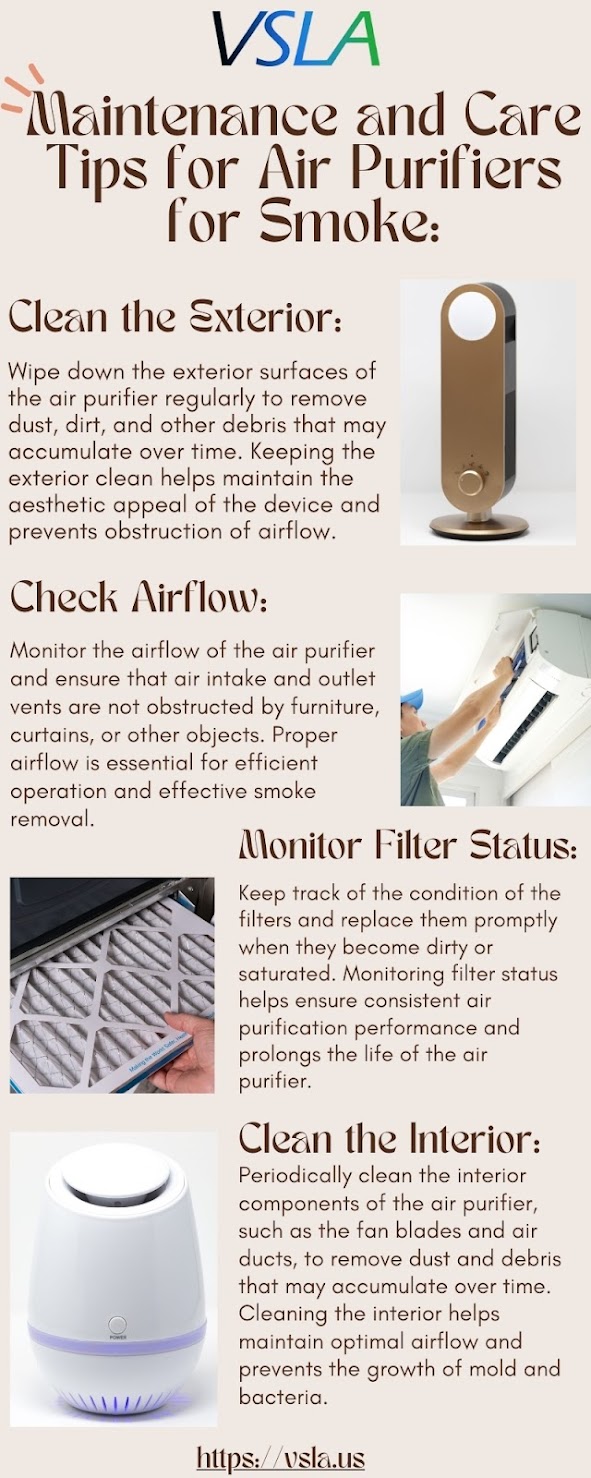
Maintaining an air purifier involves more than simply replacing a filter. Regular inspection of the entire unit helps ensure every component continues to function properly. Cleaning the exterior, checking airflow, and replacing worn parts at the recommended time all contribute to better long-term performance.
Indoor environments constantly change throughout the year. Seasonal pollen, construction dust, smoke, and everyday household activities all affect the amount of airborne particles entering the purifier. Because of this, maintenance schedules should be adjusted according to actual usage rather than following the same timeline every year.
Selecting Replacement Parts Carefully
Before purchasing any replacement component, it is important to verify the purifier model and product specifications. Even products that appear similar may have different dimensions or filtration materials.
Buying compatible replacement parts helps maintain proper airflow and prevents installation problems. Reading the product manual or checking the original part number can simplify the selection process and reduce the possibility of ordering the wrong item.
When Additional Components Need Attention
Some air purification systems include specialized components that require periodic replacement in addition to the primary filter. Understanding how these parts function helps users maintain the purifier more effectively.
For certain compatible models, users may look for a Replacement filter for Flair when performing scheduled maintenance. Selecting the correct replacement part ensures the purifier continues operating according to its intended design without affecting airflow or filtration performance.
Common Mistakes to Avoid
Many users unintentionally reduce purifier efficiency because of improper maintenance. Fortunately, these issues are easy to avoid with a few simple habits.
Replacing filters too late is one of the most common mistakes. Waiting until airflow becomes extremely weak may force the purifier to work harder than necessary.
Another mistake is installing the filter in the wrong direction. Most filters include arrows that indicate the correct airflow direction, and following these markings helps maintain efficient operation.
Some users also attempt to clean disposable filters with water. Unless the manufacturer specifically states that a filter is washable, cleaning it may damage the filtration material and reduce effectiveness.
Understanding Different Replacement Options
Air purification systems vary widely depending on the manufacturer and model. Some units use a single filtration stage, while others combine several purification technologies.
Users maintaining compatible systems may occasionally need a Replacement filter for Fresh Air Surround during routine servicing. Choosing the appropriate component for the specific model helps preserve purifier performance while supporting consistent indoor air quality.
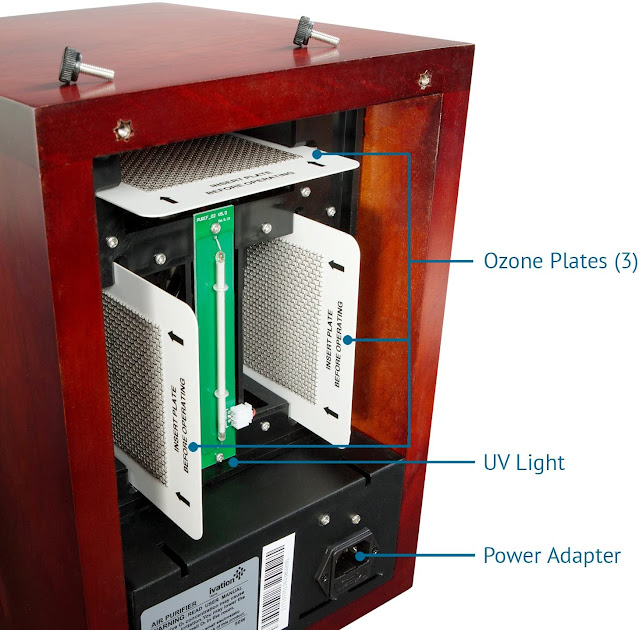
Similarly, certain systems include an ozone plate for Fresh Air Box as part of their purification process. These specialized components should always be replaced according to manufacturer recommendations and with compatible replacement parts designed for the correct equipment.
Long-Term Benefits of Proper Maintenance
Routine maintenance offers advantages beyond cleaner air. A properly maintained purifier generally operates more efficiently, experiences fewer performance issues, and continues providing dependable service for a longer period. Replacing worn components before they fail also helps avoid unexpected interruptions. Small maintenance tasks performed regularly often reduce the likelihood of larger repair needs later. Good maintenance habits also support consistent airflow, quieter operation, and more effective particle removal throughout different seasons.
Creating a Simple Maintenance Routine
Many people find it easier to remember maintenance by following a simple routine.
Begin by inspecting the purifier every month for dust accumulation. Check airflow, examine the filter condition, and clean the exterior surfaces if necessary.
Every few months, review the manufacturer's recommended maintenance schedule and compare it with actual usage. Homes with pets, smokers, or heavy cooking activity may require more frequent inspections. Keeping a record of replacement dates also makes future maintenance easier. A simple reminder on a calendar or mobile device helps ensure filters are changed before performance declines.

Comments
Post a Comment