Best Air Purifiers Guide for Cleaner Indoor Air Today

Urban living, pollution, construction dust, and allergens often make indoor air less healthy than people expect. Because people spend a large portion of their time indoors, maintaining clean air inside homes and offices has become an important topic for health and comfort. This is where Best Air Purifiers become an important part of modern living spaces.
Air purifiers are designed to remove airborne contaminants such as dust, pollen, smoke particles, and microscopic pollutants. While the technology behind them may seem complex, their goal is simple: to create a cleaner breathing environment indoors. Understanding how these devices work and what features matter most can help users make informed decisions.
Why Indoor Air Quality Matters
Indoor air pollution is often underestimated. Many everyday activities—cooking, cleaning, or using certain materials can release particles into the air. Over time, these particles accumulate in enclosed spaces.
Poor air quality may contribute to discomfort such as throat irritation, allergies, and respiratory problems. In homes with pets, pollen exposure, or urban pollution, indoor air can contain a mixture of fine particles and allergens.
Air purification systems help reduce these airborne contaminants by circulating indoor air through specialized filters. The filtered air is then released back into the room, gradually improving the environment over time.
Maintaining indoor air quality can be particularly useful in spaces such as:
-
Apartments in densely populated cities
-
Offices with limited ventilation
-
Homes with pets or smokers
-
Areas affected by seasonal pollen
These situations highlight why people often research and compare the Advanced Air Cleaning Solutions before choosing a model suitable for their space.
How Air Purifiers Work
Most air purifiers operate through a multi-stage filtration system. Air is drawn into the device using a fan and passes through several layers of filters designed to capture different types of pollutants.
A common filtration system may include:
• Pre-filters – capture larger particles like dust and hair
• HEPA filters – trap microscopic allergens and fine particles
• Activated carbon filters – absorb odors and gases
Each filter stage plays a specific role. Pre-filters protect the more delicate filters by trapping larger debris first. HEPA filters are known for their ability to capture extremely fine particles. Carbon filters are commonly used to reduce odors from cooking, smoke, or chemicals.
The effectiveness of an air purifier often depends on filter quality, airflow capacity, and room size compatibility.
Key Features to Consider
When evaluating air purification systems, several features help determine performance and usability. These characteristics can influence both efficiency and long-term maintenance.
Filtration Technology
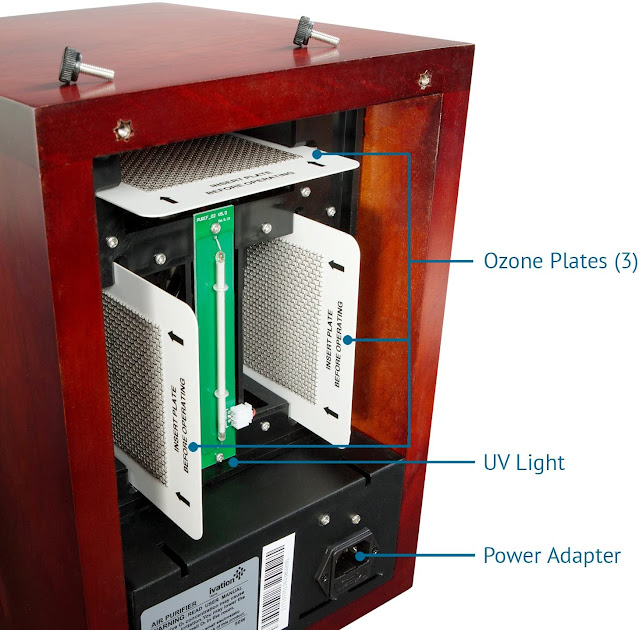
Different models use varying filtration methods. HEPA filtration remains one of the most widely used standards for particle removal. Some devices also combine UV light or ionization technologies to address specific airborne pollutants.
Room Coverage
Air purifiers are designed for specific room sizes. A device intended for a small bedroom may not perform efficiently in a large living area. Checking coverage specifications ensures the system circulates enough air for effective purification.
Noise Levels
Because many people run air purifiers continuously, quiet operation is an important factor. Some models include night modes or low-speed settings that reduce sound while maintaining airflow.
Energy Efficiency
Energy consumption varies depending on fan speed and operating modes. Efficient units can run for long periods without significantly increasing electricity usage.
Air Purifiers and Urban Pollution
In cities with heavy traffic and construction activity, airborne particles can easily enter indoor spaces through windows and ventilation systems. As urban populations grow, managing indoor air quality has become a major topic in health and environmental discussions.
Air purifiers are increasingly used in apartments and offices to reduce the presence of fine particulate matter. These tiny pollutants are often invisible but can accumulate indoors over time.
Many households now consider air purification a regular part of maintaining a healthy living environment, particularly in regions where outdoor air quality fluctuates frequently.
Understanding Filter Replacement Needs
An important part of air purifier maintenance is replacing filters when they become saturated. Over time, filters accumulate trapped particles, reducing airflow and efficiency.
Regular replacement ensures the system continues to perform as intended. Some devices include indicators that signal when filters need to be changed.
Certain models require specific compatible filters, such as:
• Replacement filter for Eagle 2500
• Replacement filter for Eagle 5000
• Replacement filter for GT3000
• Replacement filter for XL-15
Using the correct filter type helps maintain the original filtration performance of the purifier. Incorrect or incompatible filters may reduce effectiveness or airflow.
Benefits of Consistent Air Filtration
When used properly, air purifiers can gradually improve indoor air conditions. They are particularly helpful in environments where natural ventilation is limited or outdoor pollution is high.
Common benefits often associated with air purification include:
-
Reduced airborne dust and allergens
-
Less noticeable odors from smoke or cooking
-
Cleaner air circulation in enclosed rooms
-
Improved comfort for people sensitive to particles
While air purifiers cannot eliminate every indoor pollutant, they can contribute significantly to reducing airborne contaminants.
These improvements explain why many households explore options among the Best Air Purifiers available for residential use.

Growing Interest in Smart Air Purifiers
Another emerging trend is the integration of smart technology into air purification systems. Some modern devices connect to mobile applications or home automation systems, allowing users to monitor air quality levels in real time.
Smart sensors can automatically adjust fan speeds depending on detected pollution levels. This approach allows air purifiers to run efficiently while maintaining consistent air quality.
The growing popularity of smart home technology continues to influence the design of air purification devices, making them more adaptable to everyday living environments.
Maintenance and Long-Term Performance
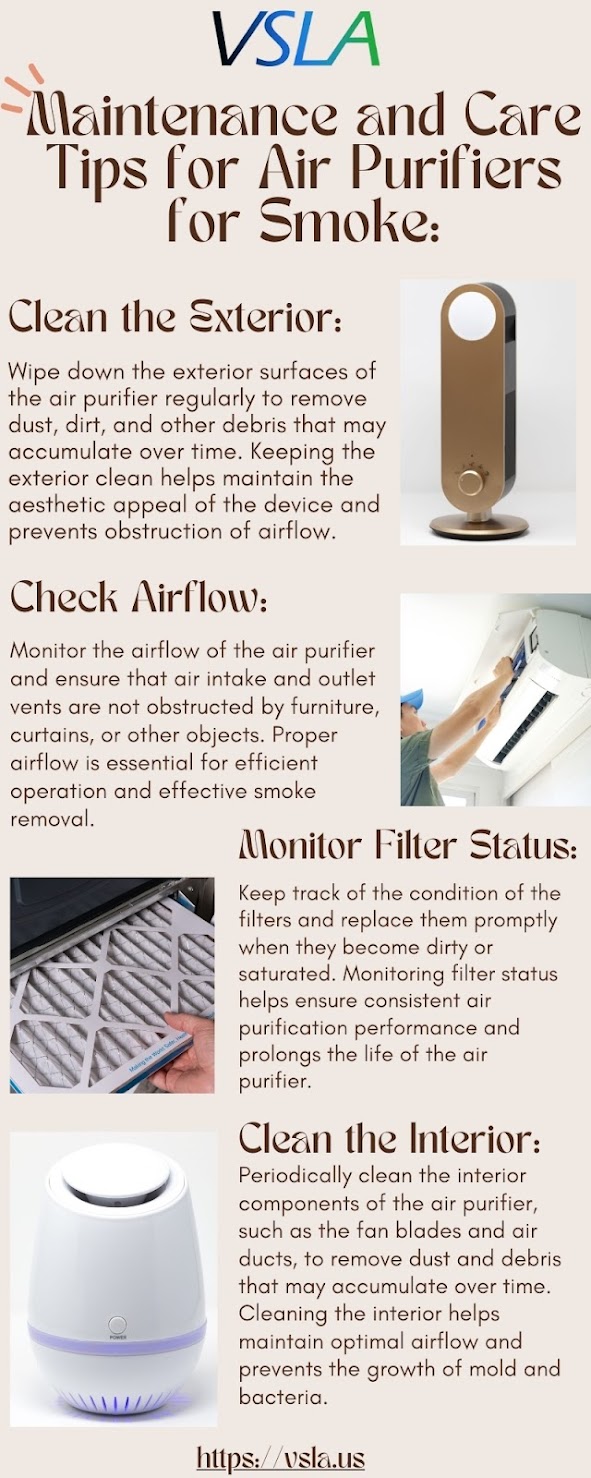
Maintaining an air purifier involves more than replacing filters. Regular care ensures consistent performance and longer device life.
Users should periodically clean external vents and check for dust buildup around air intake areas. Proper placement also improves efficiency; air purifiers generally perform best when positioned in open spaces rather than near walls or obstacles.
Following manufacturer recommendations for maintenance helps ensure the filtration system continues operating effectively.
Choosing the Right Air Purifier for Your Space
Selecting an air purifier depends on several practical considerations. Room size, filtration type, noise tolerance, and maintenance requirements all influence the decision. Instead of focusing only on design or price, evaluating performance specifications often provides a clearer picture of how well a device will perform.
Consumers comparing different options frequently research features, filtration technology, and compatibility with replacement filters before making a decision. This careful approach helps ensure they select one of the Best Air Purifiers suited to their indoor environment.
Air purifiers have become a common solution for improving indoor air quality in homes and workplaces. By removing airborne particles, allergens, and odors, these devices contribute to cleaner indoor environments.
Understanding how filtration systems work, how filters should be maintained, and how devices match room sizes can help users make more informed choices. With growing awareness of indoor pollution, interest in the Best Air Purifiers continues to rise as people seek practical ways to maintain healthier living spaces.

Fresh Air Surround
Fresh Air Surround refers to an advanced air circulation approach designed to improve indoor air quality by ensuring clean, balanced airflow throughout a space. This concept focuses on distributing purified air evenly, reducing the buildup of dust, allergens, and airborne pollutants. It is especially useful in homes, offices, and commercial environments where maintaining a healthy atmosphere is essential.
With Fresh Air Surround, air is continuously filtered and refreshed, helping to remove odors, bacteria, and harmful particles. This creates a more comfortable and breathable environment, supporting better health and well-being. Modern systems often combine filtration technologies, ventilation strategies, and smart airflow design to maintain consistent air quality across all areas.
This approach is beneficial for people with allergies, respiratory concerns, or those living in urban areas with higher pollution levels. By promoting proper air exchange and circulation, Fresh Air Surround helps reduce stale air and improves overall indoor comfort. It also contributes to energy efficiency when integrated with well-designed HVAC systems. Overall, it represents a practical and effective solution for maintaining cleaner, fresher indoor air in everyday living and working spaces.
🌀 Replacement Filter for Fresh Air
A Replacement Filter for Fresh Air is an essential component designed to maintain clean, healthy, and breathable indoor air by removing dust, allergens, and harmful pollutants. These filters are commonly used in air purifiers, HVAC systems, and fresh air units to ensure continuous air purification. Over time, filters become clogged with particles, reducing efficiency and airflow, which is why regular replacement is necessary for optimal performance.
Modern replacement filters often use multi-layer technology, including HEPA filters that can capture up to 99.97% of fine particles like dust, pollen, and microbes, along with activated carbon layers that remove odors, smoke, and harmful gases. This combination ensures that the air remains fresh, odor-free, and safe for breathing.
These filters are ideal for homes, offices, and commercial spaces, especially in polluted environments or for people with allergies and respiratory issues. Regular replacement, typically every 3–6 months depending on usage, helps maintain air quality and prevents secondary contamination caused by worn-out filters.Overall, a Replacement Filter for Fresh Air plays a crucial role in improving indoor air quality, enhancing comfort, and supporting better health by ensuring a constant supply of purified air.

Comments
Post a Comment